Physics of Medical Imaging
KTH Royal Institute of Technology

People

Meet the team behind the Physics of Medical Imaging group at KTH.

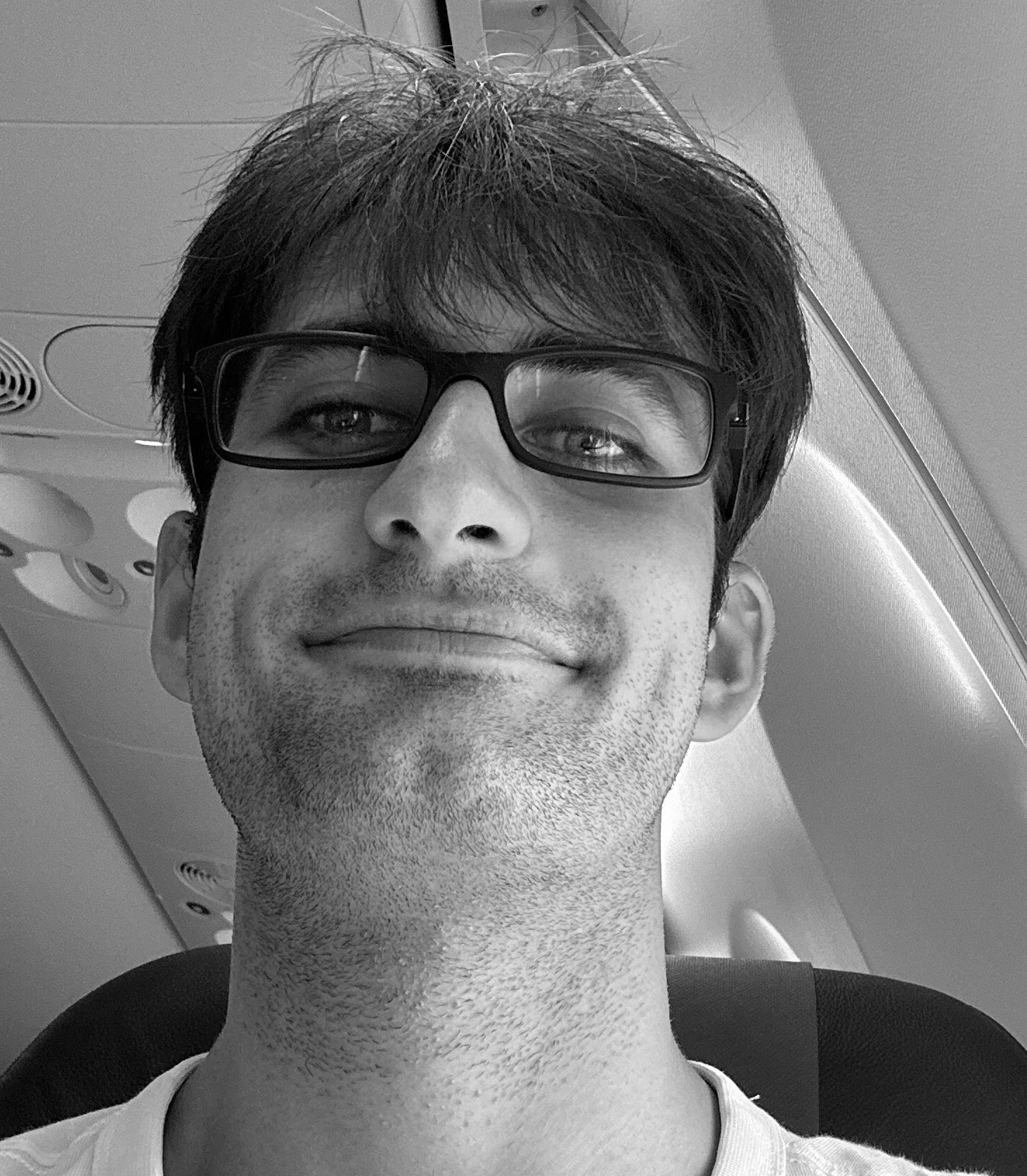
Mats Danielsson

Mats Danielsson

Professor

Group lead. Photon-counting X-ray imaging, detectors, translation to clinical and industrial impact.

Read more

Mats Danielsson received his MSc in Engineering Physics from KTH Royal Institute of Technology in Stockholm, Sweden in 1990. From then until 1996 he pursued research with the CPLEAR experiment at CERN, the European Facility for Nuclear Research in Geneva, Switzerland. He received his Ph.D. 1996 with the thesis titled First Direct Measurement of T-violation, based on the first direct measurement of violation of the Time symmetry. From 1996 to 1998 Mats Danielsson worked as a postdoc at Lawrence Berkeley National Laboratory, Berkeley, USA on research in detectors and integrated electronics for x-ray imaging in David Nygren’s group.

In 1999 he co-founded Mamea Imaging AB and was the president for the company until 2004 when the first photon counting mammography system was CE approved and in use in several mammography departments. The company was sold to Sectra AB and later to Philips and Microdose mammography is today installed in over 40 countries. In 2016, Mats founded Prismatic Sensors AB, a spin-off from the Physics and Medical imaging research group, developing silicon detectors for computed tomography. The company was sold to GE Healthcare in 2020.

Together with Prof Anders Brahme Mats Danielsson later invented a new detector for portal imaging and verification of radiation therapy and co-founded C-RAD AB that is currently listed on the Stockholm NASDAQ OMX. Mats Danielsson holds around 30 patents and is co-author of over 130 scientific articles. He was twice chairman for the Imaging conference at the Royal Swedish Academy of Science sponsored by the Nobel Institute for Physics.
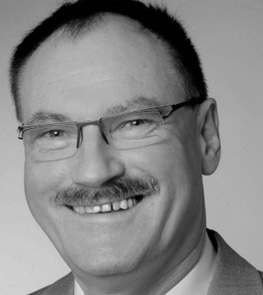
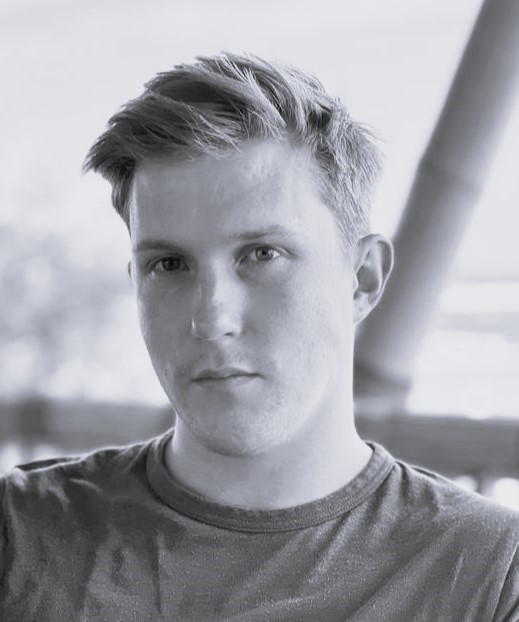
Rolf Behling

Rolf Behling

PhD student

Novel X-ray sources for medical imaging. Long industry experience in X-ray tube and generator development.

Read more

After nearly 40 years in leadership positions, I retired from a major vendor of medical diagnostic equipment and have been running my own consultancy business since 2020 (please visit XtraininX.com). Since 2022, I am pursuing a PhD in Physics at KTH Royal Institute of Technology.

In my professional career, I headed the Advanced Development group for X-ray sources, such as tubes, and X-ray high voltage generators, overseeing pre-development and research activities following prior assignments as Department Head Tube Technology, International Project Coordination Manager, International Innovation Manager, Head of Marketing and Field Support, Department Head X-Ray Tube Development, and project and operations process manager.

I hold a physics diploma from the University of Hamburg, Germany (master thesis on surface science) and was appointed Fellow Scientist of Royal Philips as Sen. Director. I authored a number of publications, including the standard textbook Modern Diagnostic X-Ray Sources (CRC Press, 2nd ed. 2021, 412 pages). I am member of multiple scientific committees and heading an IEC standards maintenance team. My current research is focused on developing novel x-ray sources for medical imaging.

Rickard Brunskog

Rickard Brunskog

PhD student

Ultra-high-resolution (1 μm) deep silicon detectors for phase-contrast imaging.

Read more

I joined the group as a research engineer in the fall of 2022 after finishing my MSc. in engineering physics from the Royal Institute of Technology in Stockholm. My MSc thesis, entitled "Phase-Contrast Imaging, Towards G2-less Grating Interferometry With Deep Silicon", focuses on the performance of an edge-on photon-counting deep silicon detectors with a theoretical resolution of 1μm in phase-contrast imaging. My current research continues to build on my MSc thesis. It aims to develop and evaluate the 1μm resolution detector prototype for use in phase-contrast imaging using simulations and measurements with detector prototypes.

Dennis Hein

Dennis Hein

PhD student

Deep learning for photon-counting spectral CT reconstruction and imaging pipelines.

Read more

I joined the group as a research engineer in 2021 and subsequently continued as a PhD student. I hold an MPhil in Economics from the University of Oxford and a BSc in Mathematics from Lund University. My research in Oxford focused on problems on the intersection of economics, optimization, and machine learning, and my thesis in Lund treated a problem in computer vision related to the COVID-19 pandemic. My current research involves developing deep learning methods for image reconstruction in photon-counting spectral CT imaging.

Ruihan Huang

Ruihan Huang

PhD student

Deep-learning based photon-counting spectral CT reconstruction and forward-model correction.

Read more

I joined the group as a PhD student after having received my MSc in Artificial Intelligence from the University of Manchester. My study and research in UoM focused on computer vision, deep learning and image processing. My MSc thesis entitled “A Pytorch-based Replication of the Region Convolutional 3D Network focused on temporal action detection” was concerned with machine learning techniques for vision-based human action detection and feature extraction for modelling actions of varying length.

My current research topic involves deep-learning based photon-counting spectral CT image reconstruction. The first year of my research focuses on deep-learning based correction of forward model inaccuracies in photon-counting spectral CT.

Mats Persson

Mats Persson

Assistant Professor

Spectral CT reconstruction and performance modeling for photon-counting detectors.

Read more

Mats Persson received his MSc in Engineering Physics in 2011 and his PhD in Physics in 2016, both from KTH Royal Institute of Technology in Stockholm. His PhD work, within the Physics of Medical Imaging Division at KTH Department of Physics, was centered on photon-counting spectral CT imaging with a photon-counting silicon strip detector. After spending three years as a postdoctoral researcher at Stanford University and at General Electric Research Center, he returned to KTH in 2020 where he is now an Assistant Professor of Physics.

His research interests is focused on image reconstruction and mathematical performance modeling for photon-counting spectral CT. More information about his research can be found on his personal webpage.

Erik Fredenberg

Erik Fredenberg

Adjunct Professor

Virtual clinical trials and evaluation methods for photon-counting CT applications.

Read more

I received my PhD in Medical Physics from KTH in 2009 with a thesis on x-ray optics and photon-counting mammography. Since then, I have worked with corporate research and advanced medtech development at several large international corporations as well as in small startups. I currently hold a position as Principal Scientist at GE Healthcare in a team of scientists, algorithm developers, and physicists who are working on the next generation of medical x-ray imaging technology – photon-counting computed tomography (CT).

In 2022, I was appointed Adjunct Professor in the Medical Imaging group at the department of Physics, KTH. My research at KTH, funded by the Swedish Foundation for Strategic Research (SSF) and GE Healthcare, is focused on developing performance evaluation tools for photon-counting CT, in particular so-called virtual clinical trials.

With higher spatial resolution than conventional technologies and the ability to detect the energy spectrum of the incident radiation, photon-counting CT enables a range of new applications for detecting and diagnosing disease. To evaluate the clinical effectiveness of new applications in radiology, patient trials are the gold standard and the most reliable method, but they are also expensive, time-consuming and should be used restrictively to minimize radiation burden. The objective of my research is to develop computer simulation tools and measurement methods that, as closely as possible, mimic the clinical trial process and reduces the need for patient imaging at an early stage of technology development.

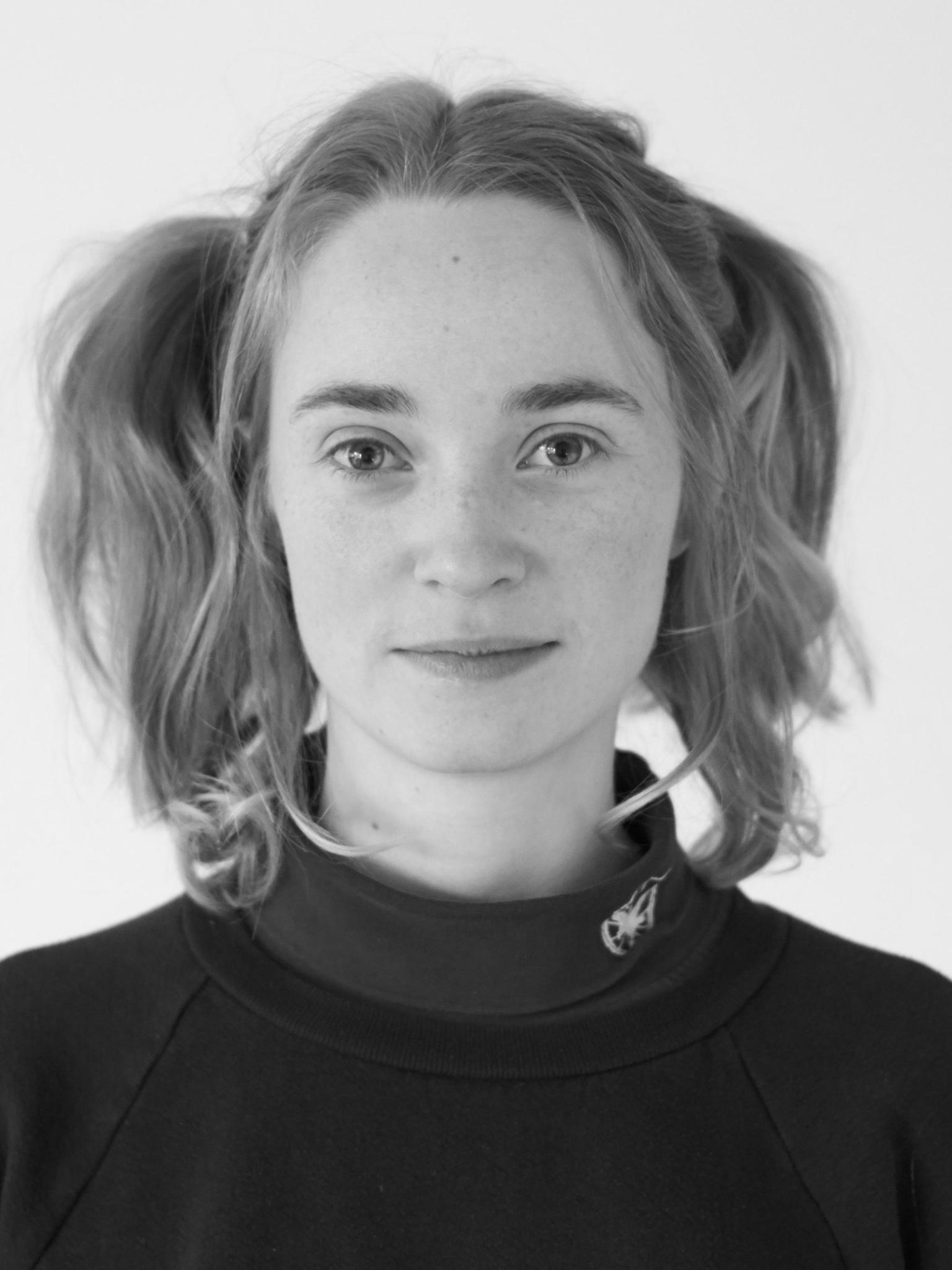
Karin Larsson

Karin Larsson

PhD student

Photon-counting CT for proton therapy planning and improved stopping power estimation.

Read more

I joined the group in fall 2023 as a PhD student after having finished my MSc degree in engineering physics from KTH. My current research, which is a continuation on my MSc thesis, focuses on the application of photon-counting CT to proton therapy planning. Specifically, I look at how spectral CT data obtained with photon-counting detectors can be used to improve the estimation of proton stopping power ratios, with the ultimate objective of reducing beam range uncertainty in proton therapy.

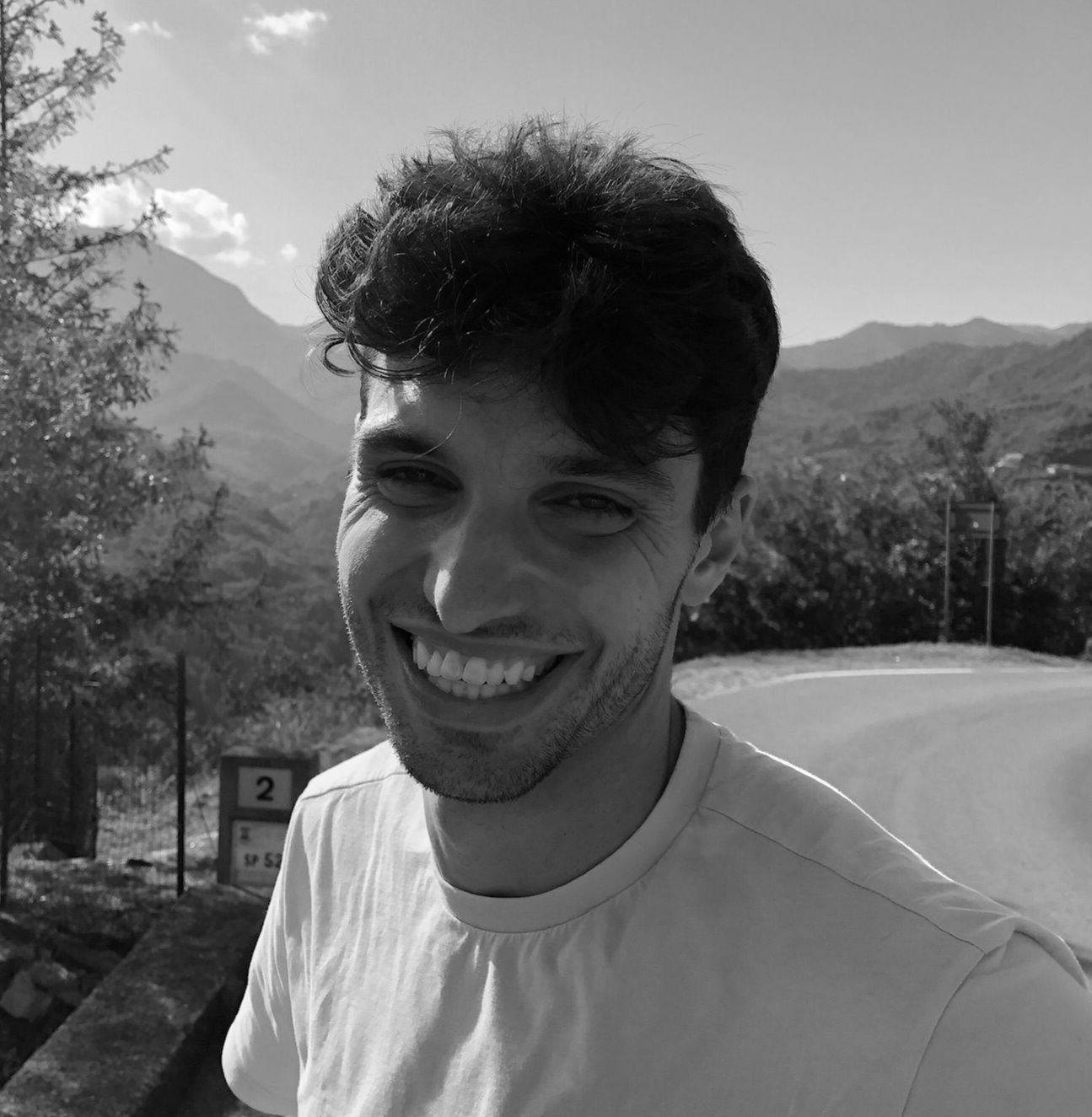
Luca Terenzi

Luca Terenzi

PhD student

Fundamental limits in photon detection; background in solid state and medical imaging physics.

Read more

I joined the group in November 2023 as a PhD student after having received my MSc in Engineering Physics through a double degree programme between Politecnico di Milano and KTH Royal Institute of Technology. My studies ranged accross various physics related fields, from solid state physics and semiconductor technologies to medical imaging and X-ray physics. My MSc thesis was done at the Forschungzentrum Julich, in the Neuroelectronic interfaces group, on the development of a more biomimetic and dynamic neural interface. I also took part to the International Physicists Tournament, as team member, captain and now supervisor representing first the Italian team and then the Swedish one. My current research aims at understanding the fundamental experimental limits in photon detection.

Per Lundhammar

Per Lundhammar

PhD student

Image reconstruction and performance evaluation methods for advanced imaging systems.

Read more

I joined the group as a PhD student in July 2024, and completed my MSc in Theoretical Physics at KTH Royal Institute of Technology in September 2022. My master’s thesis, titled 'Detective Quantum Efficiency in the Image Domain,' focused on understanding and evaluating performance metrics for imaging systems within the image domain. My current research is dedicated to advancing image reconstruction techniques and developing methods to assess the performance of Compton camera imaging systems.

Joel Wållberg

Joel Wållberg

PhD student

Deep learning for multi-material decomposition in photon-counting CT.

Read more

Before joining the group in autumn 2024, as part of my Engineering Physics degree I was a student in the joint master’s programme in mathematics at Stockholm University and KTH Royal Institute of Technology. I conducted both my BSc and MSc theses in the KTH mathematics department where the first focused on Stokes’ theorem in terms of differential forms, and the latter on deep learning-based perfusion estimation from non-contrast CT in collaboration with the Karolinska Institute. Currently, my research centers on deep learning techniques for multi-material decomposition in photon-counting CT.

Truls Svensson

Truls Svensson

Research Assistant

Research assistant working on image processing and material basis decomposition; supports group activities.

Read more

I joined the group in spring 2024 as an undergraduate research assistant. Since I started the engineering physics program at KTH in 2021, I have developed an interest in research. I have participated and led the KTH team in the research-oriented experimental physics tournament IPT. As of fall 2024, I have completed my BSc in engineering physics, and I am now pursuing an MSc in mathematics in parallel with continuing working with the group.

In the medical imaging group, I have been doing research on image processing and material basis decomposition techniques. Additionally, I have been helping out with some administrative tasks.

Andrea Scotti

Andrea Scotti

Master Student

Master’s thesis on CT simulation (CatSim) and crosstalk modelling in photon-counting detectors.

Read more

My academic journey has always been driven by a passion for physics and technology, which eventually led me to join the group in February 2024 to pursue my master's thesis project as an exchange student in Physics Engineering from Politecnico di Milano. The project focuses on the validation of CatSim, a software developed by GE HealthCare for advanced CT simulations, in modelling crosstalk in photon-counting detectors.

Prior to this, I obtained a B.Sc. in Physics Engineering from Politecnico di Milano and I also took part to the International Physicists Tournament in 2022 as captain of team Italy.

Simone Gallareto

Simone Gallareto

Research Assistant

Research assistant improving physics-based calibration methods for photon-counting CT.

Read more

I joined the group in December 2024 as research assistant alongside my studies. I completed my BSc in Engineering Physics at Politecnico di Torino in 2023, and I am now pursuing my MSc in Engineering Physics at KTH. I am currently working on my Master's thesis with the Particle Physics group at KTH, focusing on rejecting background for research regarding Long Lived Particles at the ATLAS experiment.

As a research assistant, my work focuses on improving physics-based calibration methods for photon-counting CT, aiming to develop a more efficient process to implement.

Julia Parnell

Julia Parnell

Master Student

Double-degree MSc student working on the 1 μm CT detector project.

Read more

I am currently a double-degree master's student at TUM Munich and KTH Stockholm, studying Engineering Physics. I joined the group in February 2025 and will be working on the 1 μm CT detector project for the upcoming year. I have a bachelor's degree in Engineering Science from TU Berlin and investigated the properties of blood analogue fluids at the Laboratory for Biofluid Mechanics at Charité Berlin during my bachelor's thesis.

Wanyi He

Master Student

Master’s thesis on simulation of silicon-based sensors for ultra-high-resolution photon-counting CT.

Read more

I joined the group in December 2024 as part of my final year in the M.Sc. program in Subatomic and Astrophysics at KTH, where I am working on my master’s thesis. My project focuses on the simulation of silicon-based charge-cloud fitting sensors for ultra-high-resolution photon-counting CT, aiming to overcome current limitations in spatial resolution and energy accuracy. My academic interests lie at the intersection of medical imaging and particle physics, and I have previously worked on topics related to astrophysics and simulation of particle physics.

Past Sabbaticals in our Group

Professor Aldo Badano, FDA, Washington, USA

Professor Robert Nishikawa, University of Pittsburg, USA

Professor David Nygren, LBNL, Berkeley, USA